

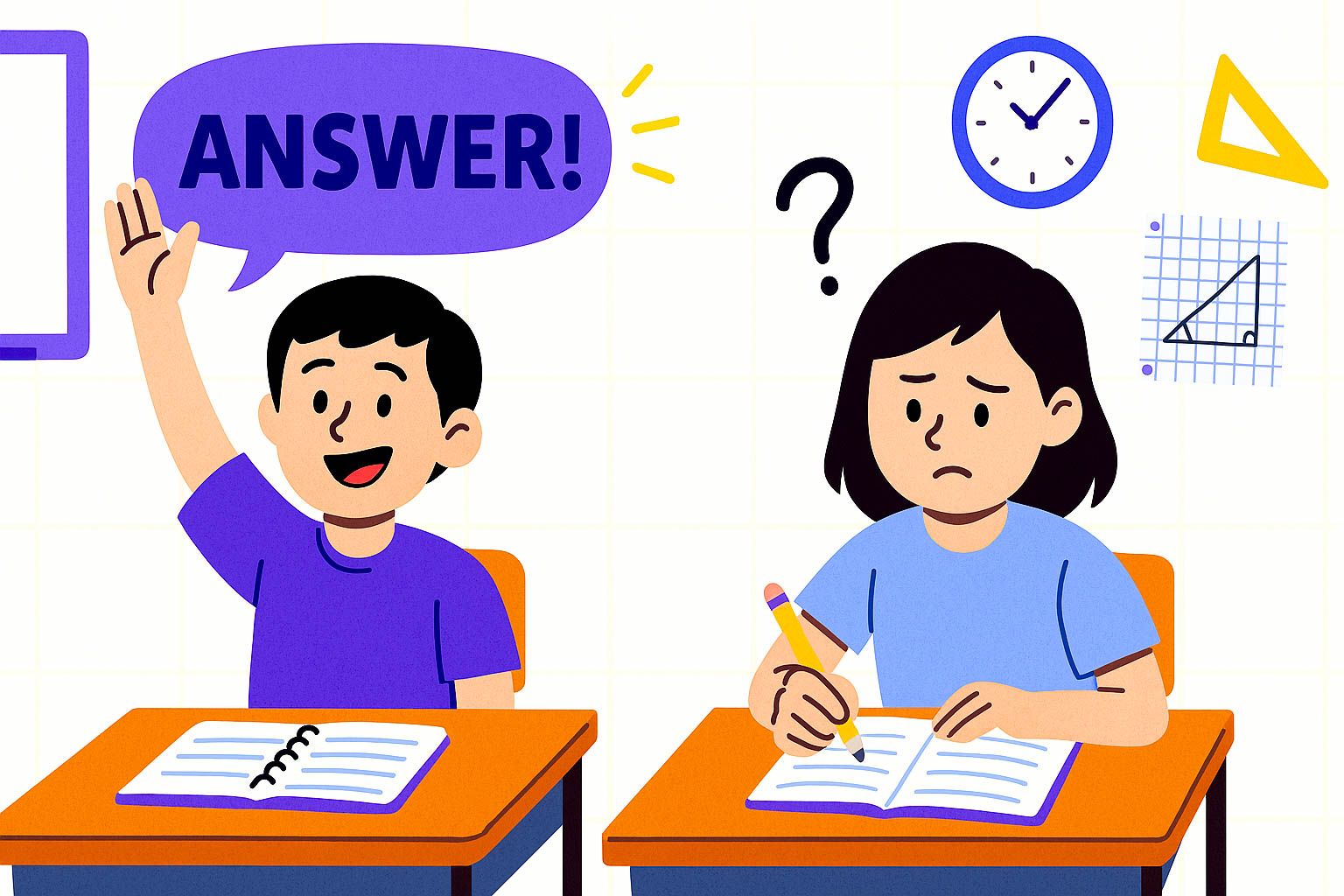
Children Who Search for the “Right Answer” May Be Left Behind
“Is this correct?”
“Is this the right answer?”
We often hear these questions from children—
asked with sincerity, care, and a desire to do well.
But when such questions become habitual,
they may signal a deeper concern in today’s world.
Society Is No Longer Looking for the Right Answer
Traditional education once placed great value on finding the correct answer.
But in today’s society, a different skill set is required:
the ability to ask one’s own questions, think independently, and take action.
We live in a world that is increasingly complex.
In many areas—environmental issues, technology, cultural values—there may be no single “correct” answer.
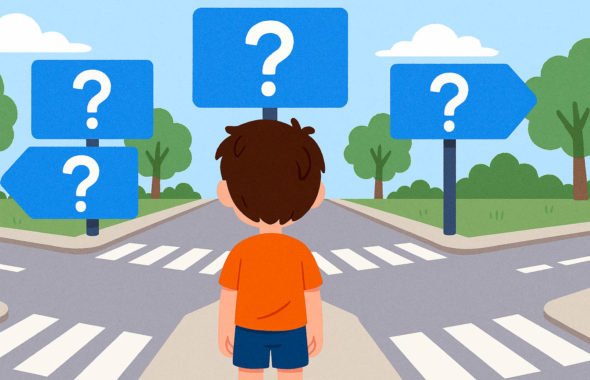
And yet, we must find our own compass and move forward.
The Habit of Seeking What’s “Right” Can Stifle Thought
Many children fear making mistakes.
As a result, they seek model answers—safe, acceptable responses that won’t be judged.
But in doing so, they may appear to be thinking… without truly thinking.
What’s needed when approaching a question is the perspective of
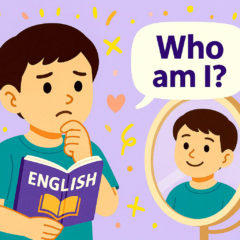
“What do I think?”
Even if the answer is incomplete or imperfect,
it can be shaped and refined through conversation and real-world experience.
That is where genuine learning takes place.
The Real Difference Appears Outside the Classroom
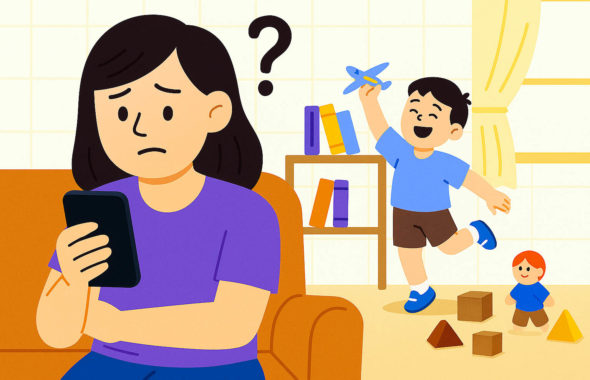
In adult society as well, we see many who wait for someone to tell them the answer.
But in an era with no clear answers, that mindset leads only to passive compliance.
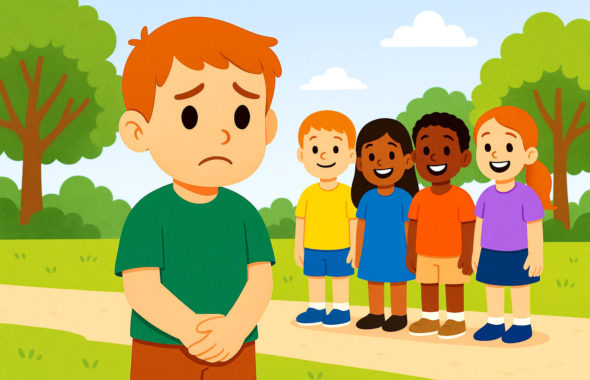
Unable to express opinions.
Unable to make decisions.
Unable to take responsibility.
We do not wish to raise children into adults who lack these essential capacities.
From Finding Answers to Asking Questions
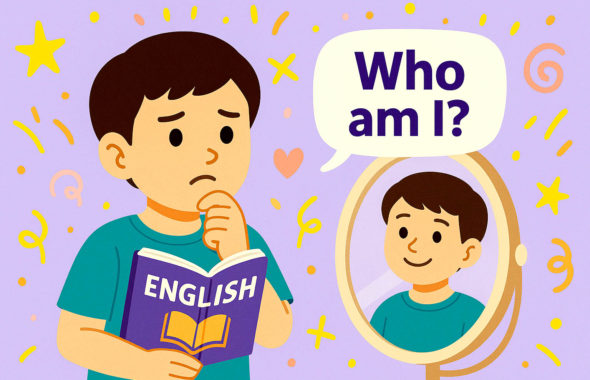
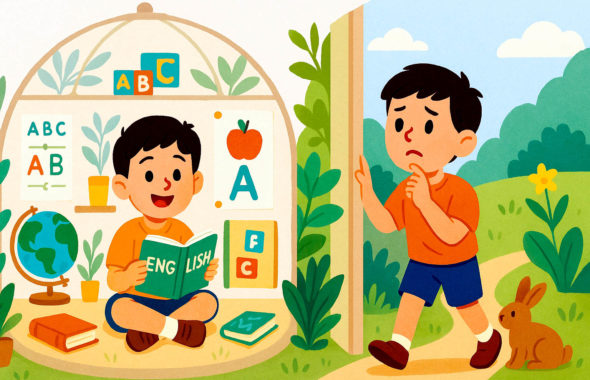
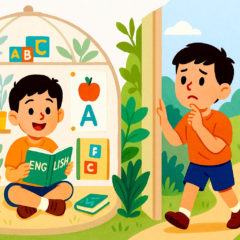
At Liberal Studies College, we use English to explore the questions hidden in everyday life.
There are no model answers.
But we encourage children to respond when asked, “What do you think?”—
to make thinking and speaking for themselves a natural part of their lives.
This ability will someday empower them to act independently,
without waiting for someone else’s instructions.
What kinds of questions would you like to pass on to your children?
Children who seek the right answers tend to be earnest and hardworking.
But what they truly need going forward is the ability to observe the world through their own lens.
When asked, “What’s your opinion?”—
we want to raise children who speak confidently in their own words,
not fall silent.
That, we believe, is the very essence of education in this new era.
No comments yet.