
The Limits of Raising “Good Kids”
“He listens to the teacher.”
“She reads the room and doesn’t cause disruption.”
“He gets along with others and avoids trouble.”
Many parents hope to raise children who fit these descriptions—
the so-called “good kids.”
Of course, politeness and cooperation are important.
But what happens when being a good child becomes the goal itself?
Is Being a “Good Kid” Truly an Advantage in Life?
As adults, we often reflect on this.
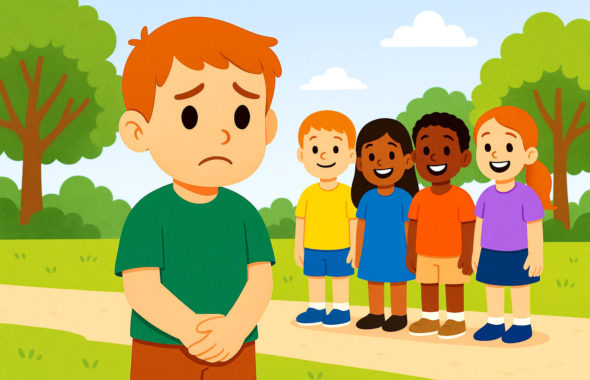
Children who were praised as “good” often struggle to express their opinions
or feel uneasy sharing their true thoughts.
They behave correctly, quietly, harmoniously.
But what if that very behavior masks their true selves?
If a child learns to hide who they are in order to meet expectations—
then where, and when, will they ever feel free to be themselves?
When Model Students Lose Their Sense of Self
We have seen it happen.
Children who performed well academically and caused no trouble
suddenly lose confidence in middle school, high school, or college.
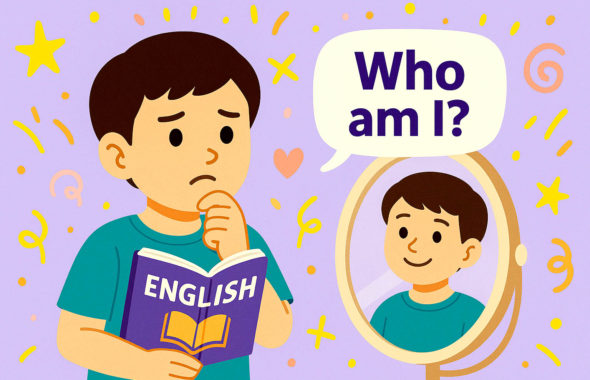
“I don’t know what I want.”
“All I’ve ever done is go along with others.”
These are the voices of children who once thrived by following the rules.
It may be the cost of having been taught to obey rather than to think.
What the World Needs Now Is Not “Good Kids”
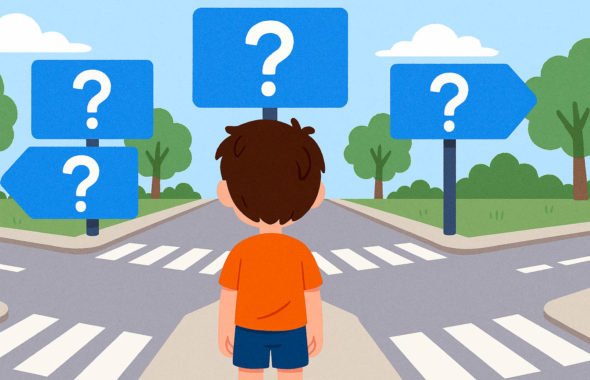
In today’s world, the ability to “read the room” is not enough.
What’s needed are individuals who can form and express opinions within that room.
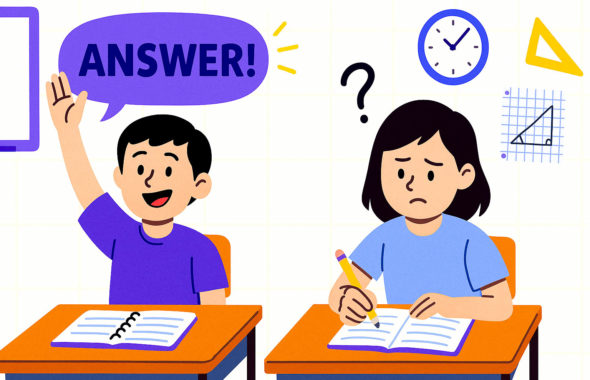
Society no longer values only those who can provide the “right answer,”
but those who can ask meaningful questions.
What children need is not the ability to conform—
but the confidence to trust themselves.
At Liberal Studies College, We Prioritize the Practice of Self-Expression
At Liberal Studies College, we continually ask children questions.
We teach them, through experience, that answers are not always singular—
and that it’s okay to hold different perspectives.
When we ask, “What do you think?”
many children initially have no words.
But through patient dialogue over time,
they begin to see the outlines of their own identity.
Is being a “good kid” really enough?
Yes, “good kids” are easier to raise from an adult’s perspective.
But that alone may not prepare them to thrive—or protect themselves—in today’s world.
This is why we strive not just to raise model students,
but to nurture children who can think, speak, and choose for themselves.
Liberal Studies College is a place where we build that foundation—together.
No comments yet.